
This article contains affiliate links. When you book a hotel, a car rental or an activity through these links, we receive a commission from the advertiser at no extra cost to you 💕. By using them, you support us while paying exactly the same price 🙏. We earn a commission from the advertiser at no extra cost to you 💕. Thank you!
Our partners

CONTENTS
INTRODUCTION: WHEN TO GO TO ICELAND? 💥
When to go to Iceland? It’s probably the most important question when you’re planning this trip. Because in Iceland, from one month to the next, it’s not the same country: endless nights and northern lights in winter, the midnight sun and Highland roads in summer, and prices that can double or even triple between the two 😮.
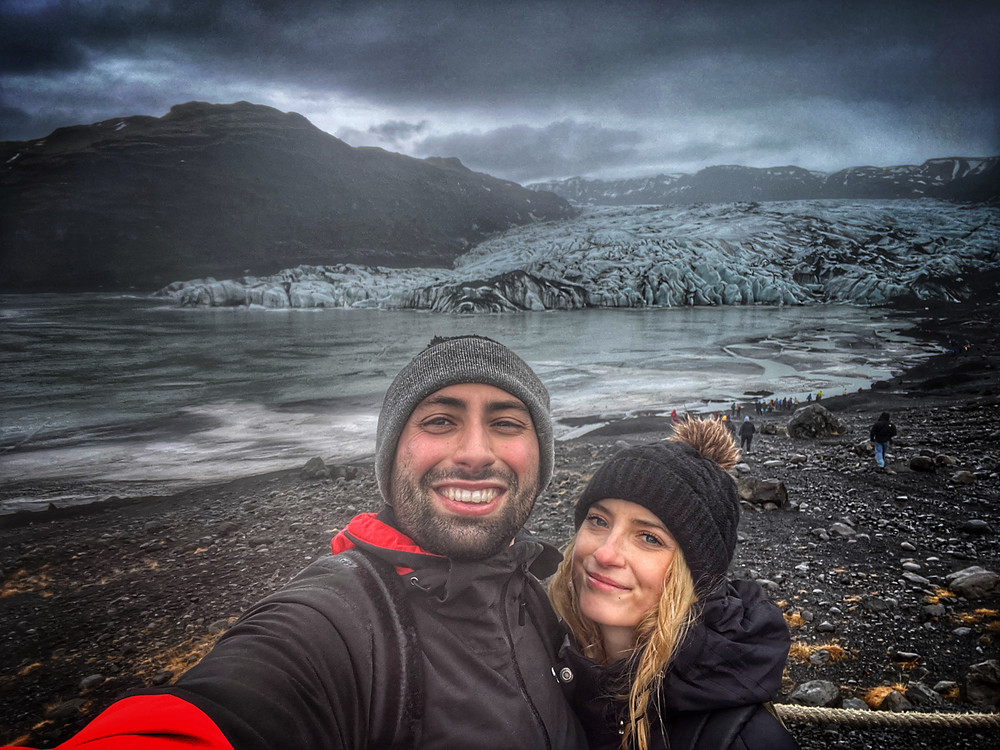
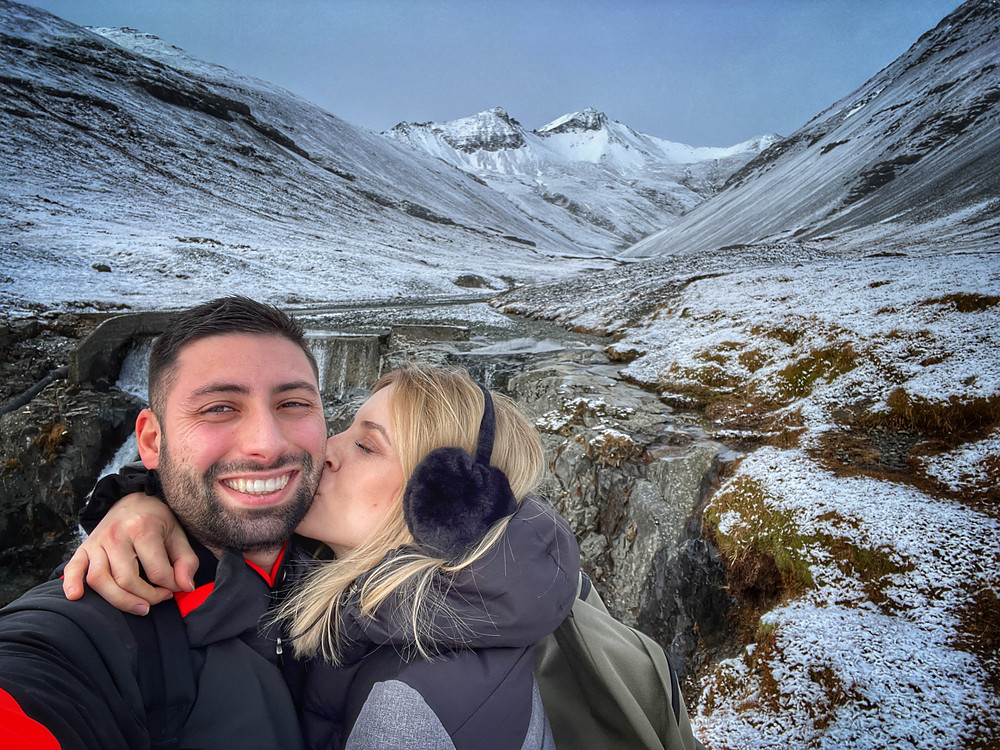
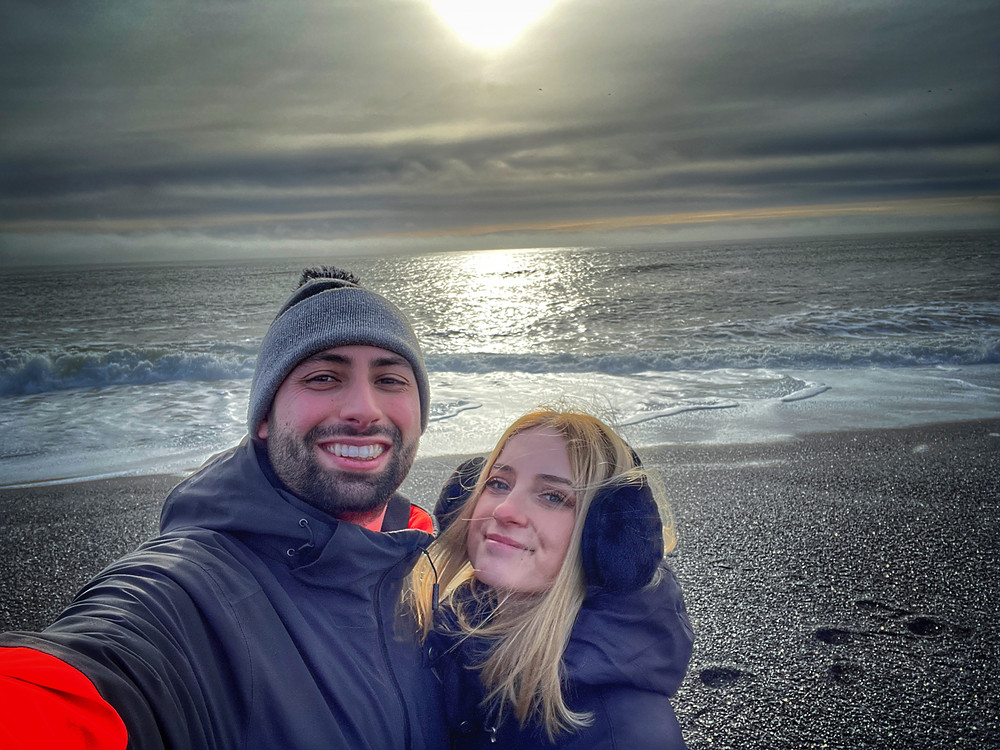
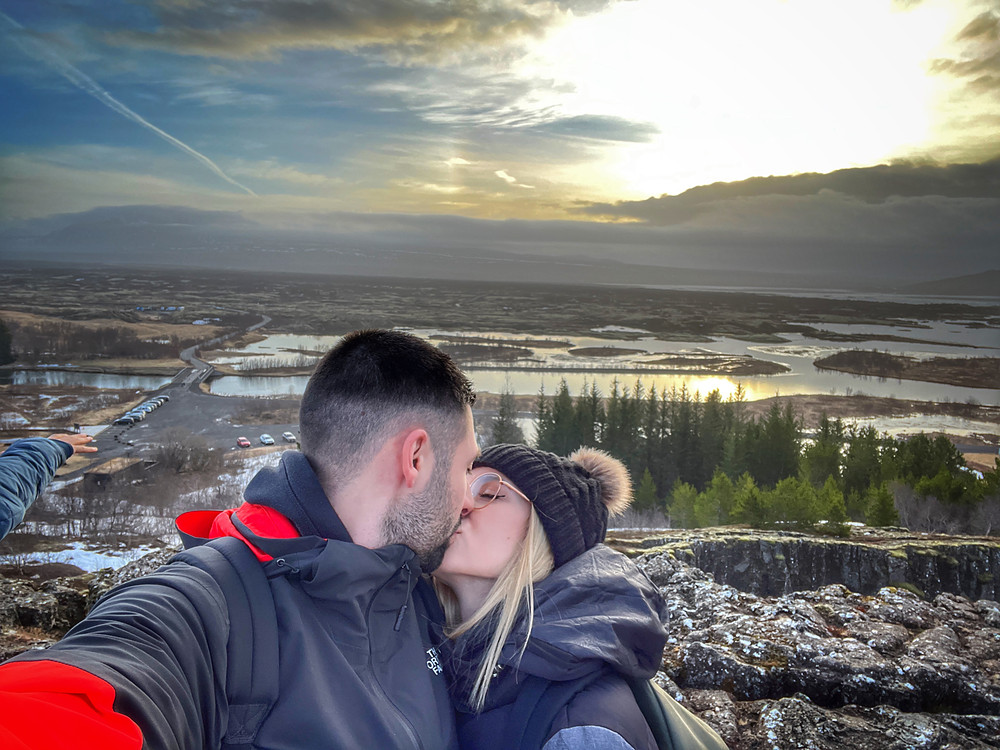
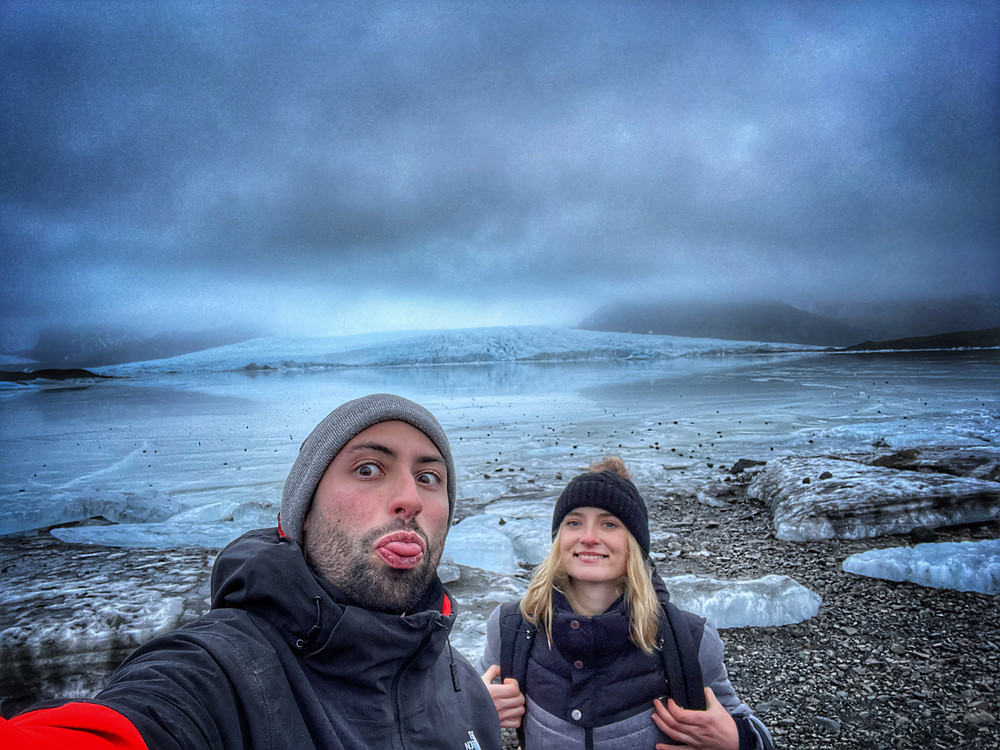
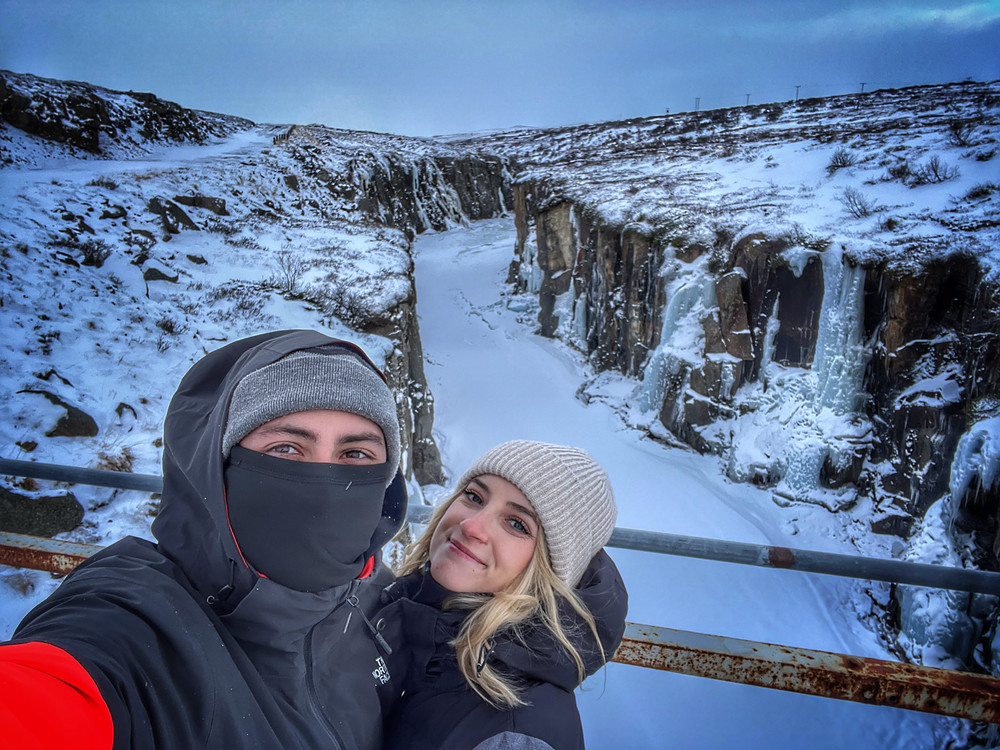
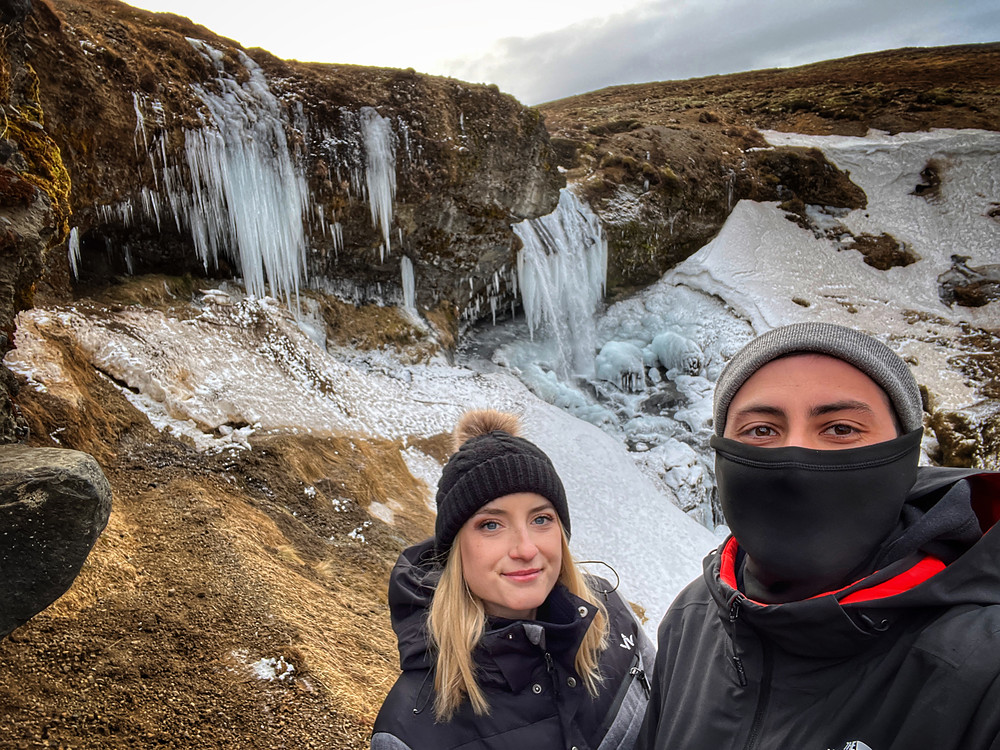
Adeline and I went for 12 days in March, on a winter road trip in Iceland along the Ring Road. And honestly, it was a great choice. In this article, I explain why we picked that month, then I walk you through Iceland month by month and season by season, so you can find the time that suits you: northern lights, small budget, hiking, puffins or ice caves.
We’ll be honest with you: we haven’t experienced the Icelandic summer (yet). For that season, we rely on trustworthy sources, and we say so clearly. All our articles about the country are gathered on our Iceland page.
📚 Also read: our complete guide to Iceland · Iceland in 7 days · Iceland in winter · Iceland on a budget.
WHY WE WENT TO ICELAND IN MARCH 💚
March was first and foremost when we had our vacation, let’s be honest 😉. But it was also a time we thought was ideal: the end of winter, just before spring. Here’s what made up our minds:
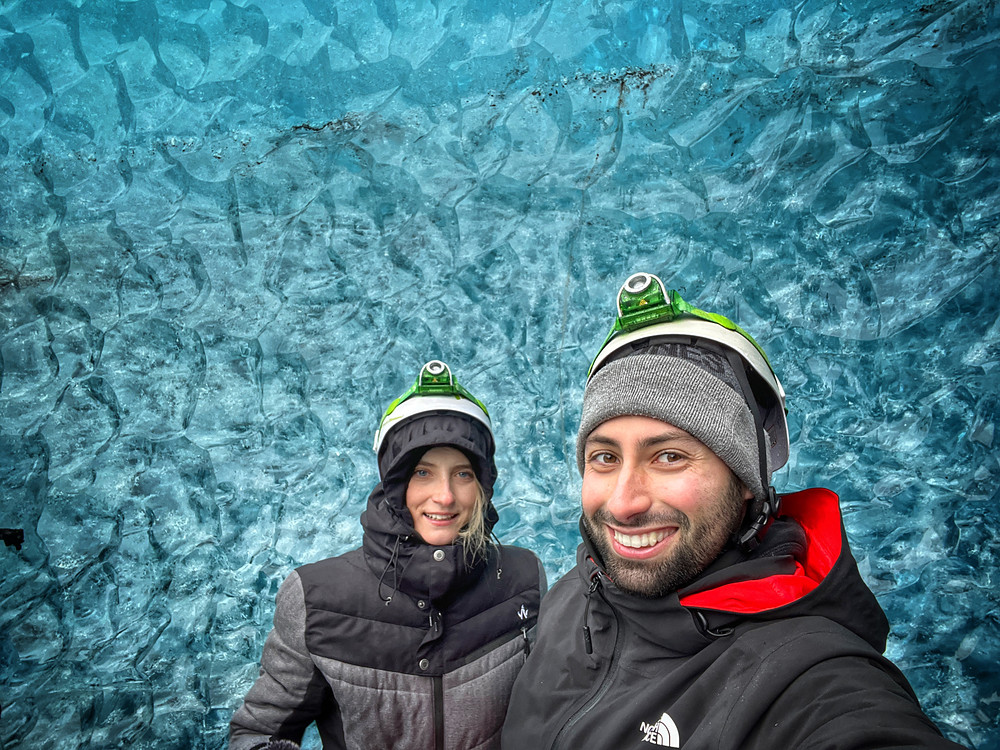
- 🧊 The ice caves: that was THE thing we wanted to do, and you can only visit them in the cold season, roughly from November to March. Our ice cave at Jökulsárlón is still the best moment of the trip.
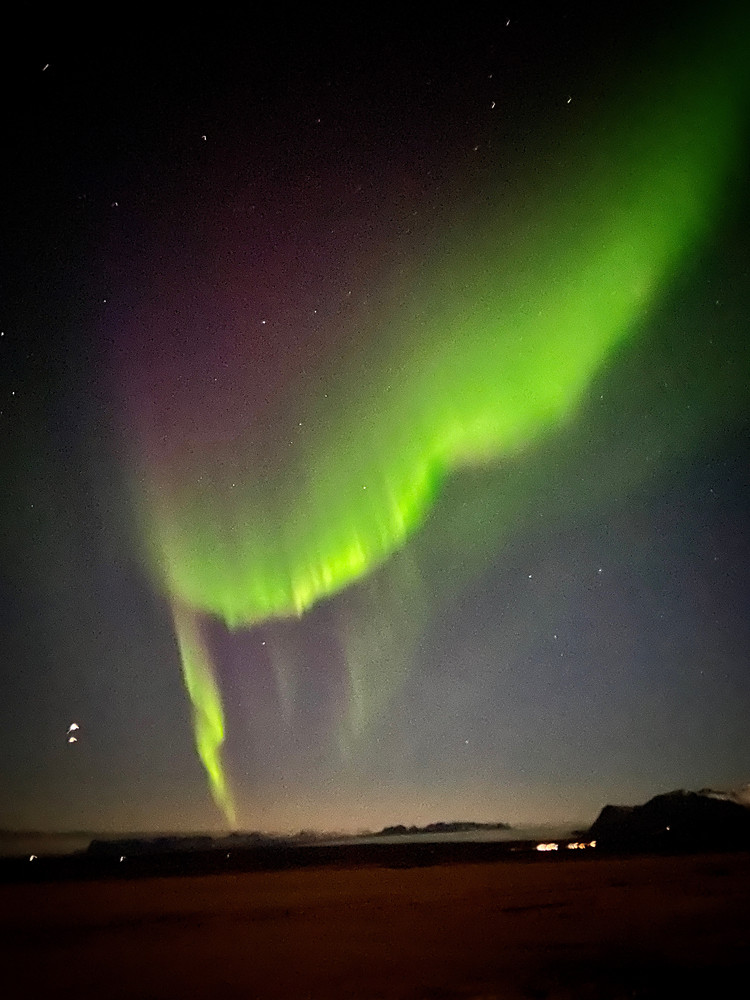
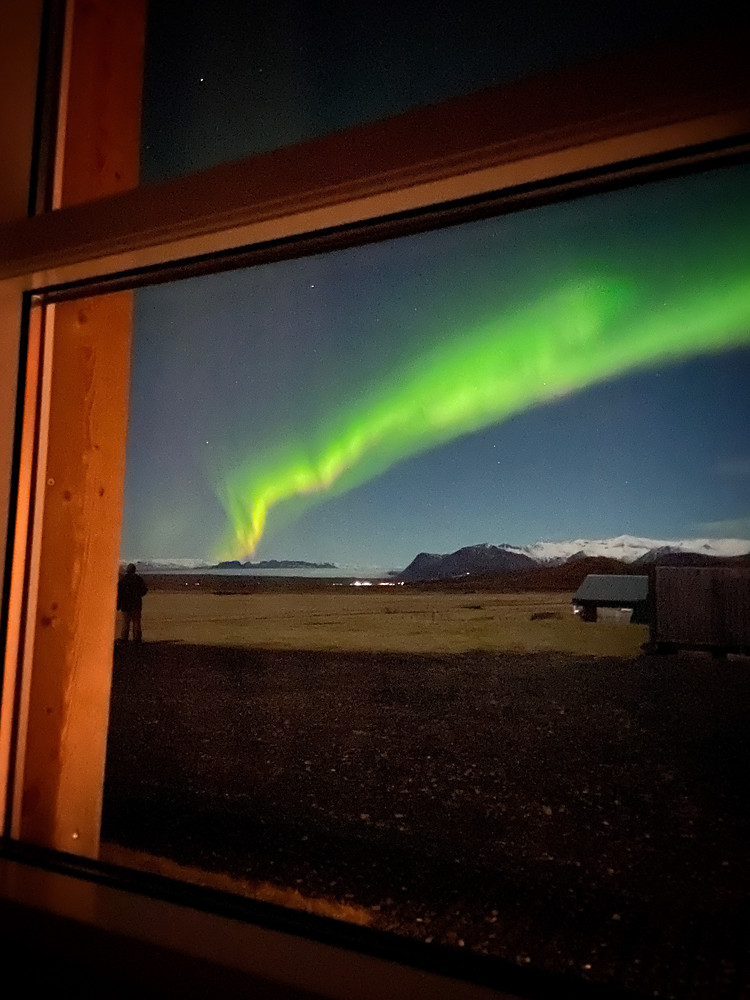
- 🌌 The northern lights: we saw them four nights out of twelve, starting on the very first evening. We tell you everything in our article on the northern lights in Iceland.
- 💶 Prices: in low season, the car and accommodation cost much less. Our car rental cost us €598 for 13 days.
- 👥 Few people: lots of visitors up to the black sand beach of Reynisfjara, then fewer and fewer heading east and north. We often had the place all to ourselves.
- ☀️ Real days: about 10 hours of daylight in early March, and the days get longer fast.
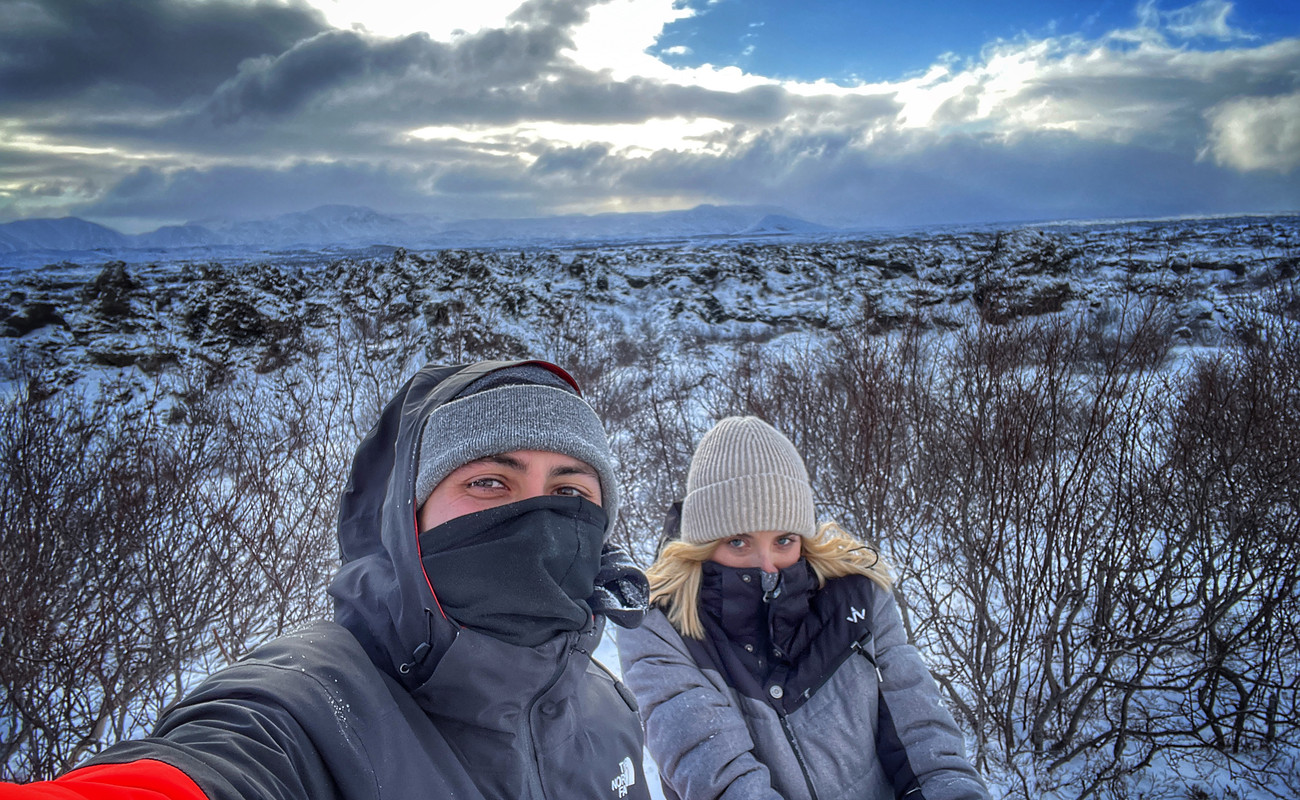
- ❄️ A good compromise: we figured the south would have little snow and the north a lot. That’s exactly what we found: the snow came all at once after Höfn, and never left us.
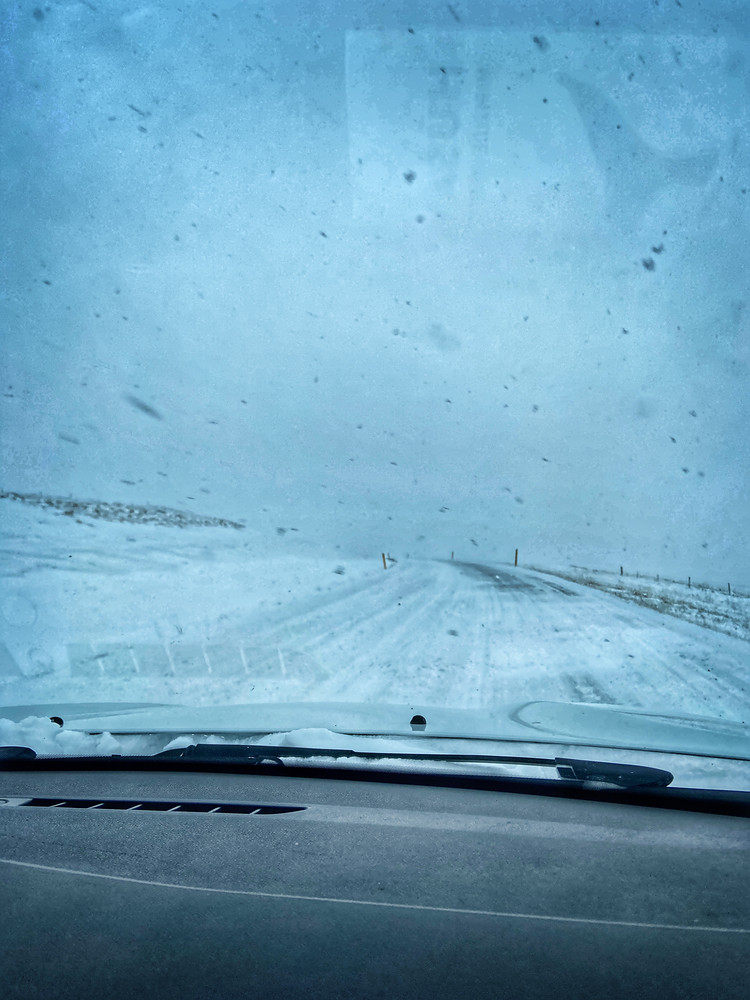
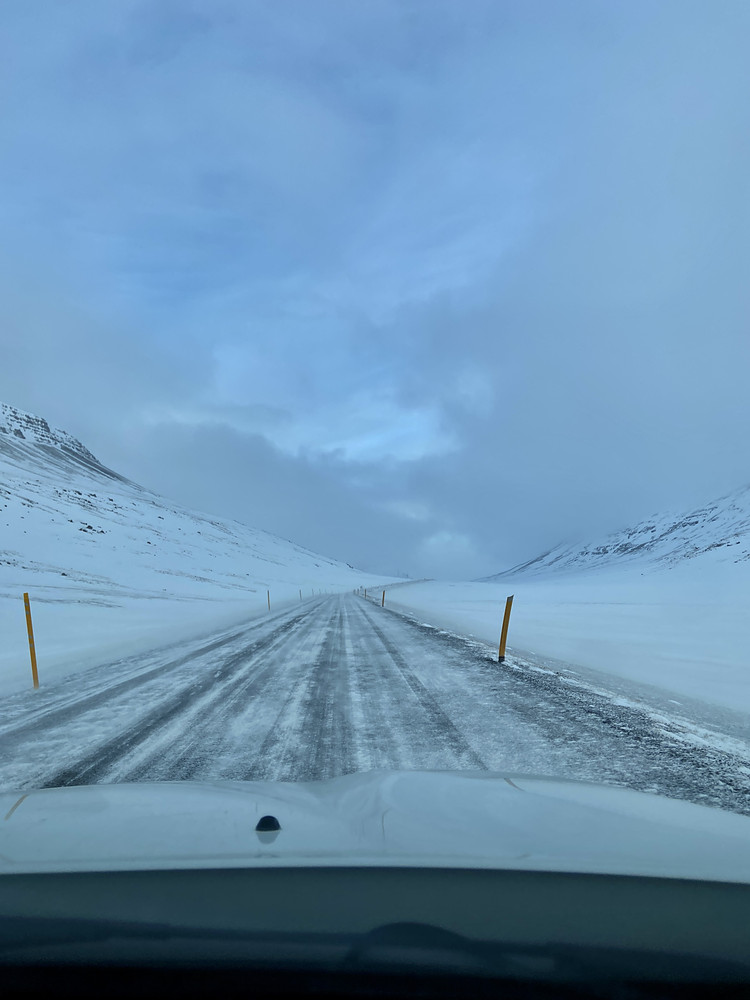
⚠️ We also took a risk: storms. In winter, yellow wind alerts, or even orange ones, are common, and during an orange alert you don’t even go out: your itinerary can change very quickly. We were incredibly lucky, with gorgeous weather and not a single road closed the whole trip. As for the temperature, without wind it wasn’t that cold; with the wind, it bites 🥶.
ICELAND MONTH BY MONTH: WEATHER, DAYLIGHT, PRICES AND ACTIVITIES 🗓️
Here’s what Iceland looks like each month, at a glance: average temperatures and daylight hours in Reykjavik, chances of seeing the northern lights, price level, crowds and possible activities 👇. To go further, check out our northern lights calendar and our price calendar in the article Iceland trip budget.
When to go
Iceland month by month
Average temperatures and daylight hours in Reykjavik, chances of northern lights, price level, crowds and possible activities: everything you need to choose your month 🗓️
❄️ Winter
December
🌡️ ~0°C☀️ ~4h of daylight
🌌 Northern lights💶💶 Holidays👥 Quiet
Ice caves, Icelandic Christmas, very long nights.
January
🌡️ ~0°C☀️ ~5h of daylight
🌌 Northern lights💶 Low👥 Quiet
Ice caves, often harsh weather.
February
🌡️ ~0°C☀️ ~8h of daylight
🌌 Northern lights💶 Low👥 Quiet
Ice caves, the days get longer fast.
🌱 Spring
March Our trip
🌡️ ~1°C☀️ ~10h à 12h
🌌 Northern lights💶 Low👥 Quiet
Ice caves and northern lights, with real days. Our pick 💚
April
🌡️ ~3°C☀️ ~15h of daylight
🌌 Early in the month💶💶 Medium👥 Quiet
Puffins return around mid-April, first whales.
May
🌡️ ~7°C☀️ ~18h of daylight
🌌 No💶💶 Medium👥 Moderate
Puffins, whales, nature waking up.
☀️ Summer
June
🌡️ ~10°C☀️ ~21h of daylight
🌌 No💶💶💶 High👥 Busy
Midnight sun, the first F roads open.
July
🌡️ ~12°C☀️ ~20h of daylight
🌌 No💶💶💶 High👥 Very busy
The warmest month: Highlands, hiking, whales.
August
🌡️ ~11°C☀️ ~16h of daylight
🌌 End of the month💶💶💶 High👥 Busy
Last weeks of the puffins, F roads open.
🍂 Fall
September
🌡️ ~8°C☀️ ~13h of daylight
🌌 Northern lights💶💶 Medium👥 Moderate
Fall colors, last whales, F roads closing.
October
🌡️ ~4°C☀️ ~10h of daylight
🌌 Northern lights💶💶 Medium👥 Quiet
A great compromise, before the snow.
November
🌡️ ~2°C☀️ ~7h of daylight
🌌 Northern lights💶 Low👥 Quiet
Start of the ice cave season.
Approximate averages in Reykjavik (around the 15th of the month). The North and East are colder and snowier. Activity dates vary each year depending on the weather.
NORTH AND SOUTH: TWO DIFFERENT CLIMATES 🌡️
⚠️ Heads up: the temperatures in the table are for Reykjavik. In Iceland, the climate varies a lot from one region to another. The south and west, softened by the Gulf Stream, are milder but wetter and often windier. The north and east are colder in winter, with much more snow, but the weather is often drier and more stable.
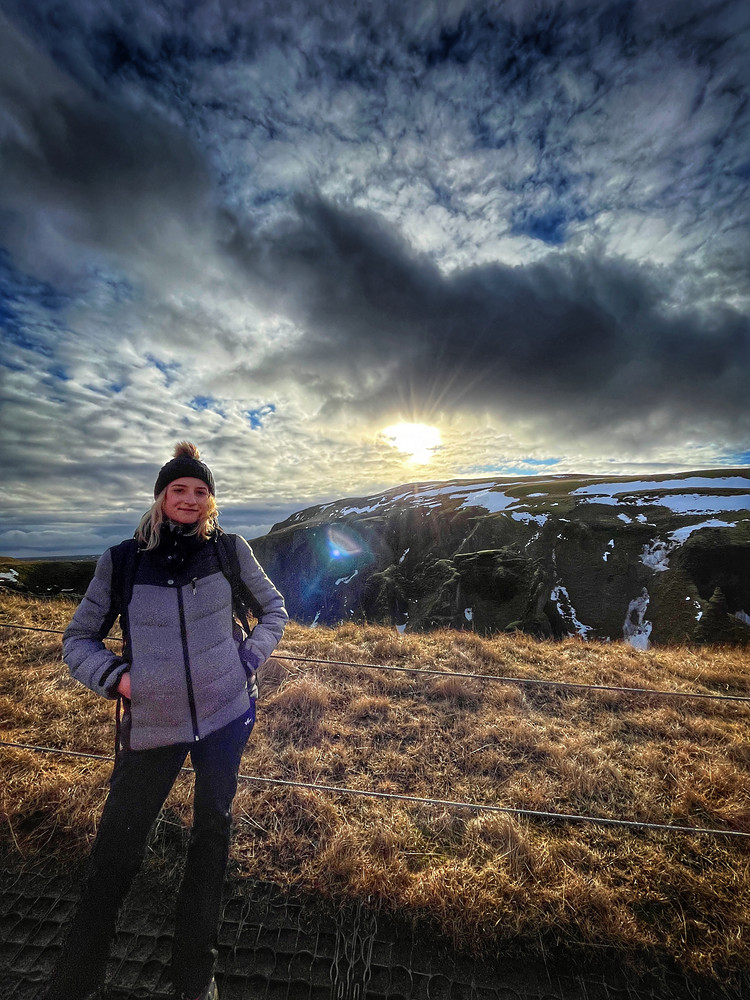
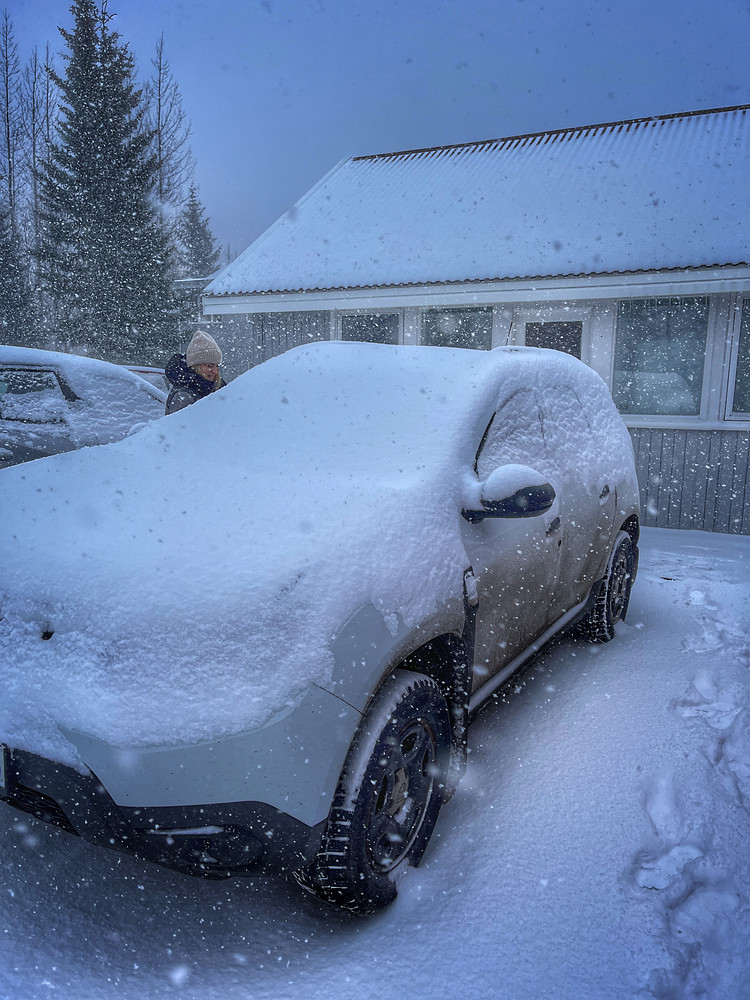
We saw it firsthand: in March, the south coast had hardly any snow… then, right after Höfn, everything turned white, and the snow stayed with us throughout the East and North ❄️. If you’re driving around the island, pack clothes for both conditions, and check the forecast region by region on Vedur.
VISITING ICELAND IN WINTER (NOVEMBER TO MARCH) ❄️
Winter is Iceland at its most magical, in our opinion. The landscapes are covered in snow, there are few tourists, and it’s the season of the northern lights and ice caves.
WHAT WE LOVE ABOUT WINTER
- 🌌 The northern lights, with long dark nights.
- 🧊 The Vatnajökull ice caves, only in the cold season.
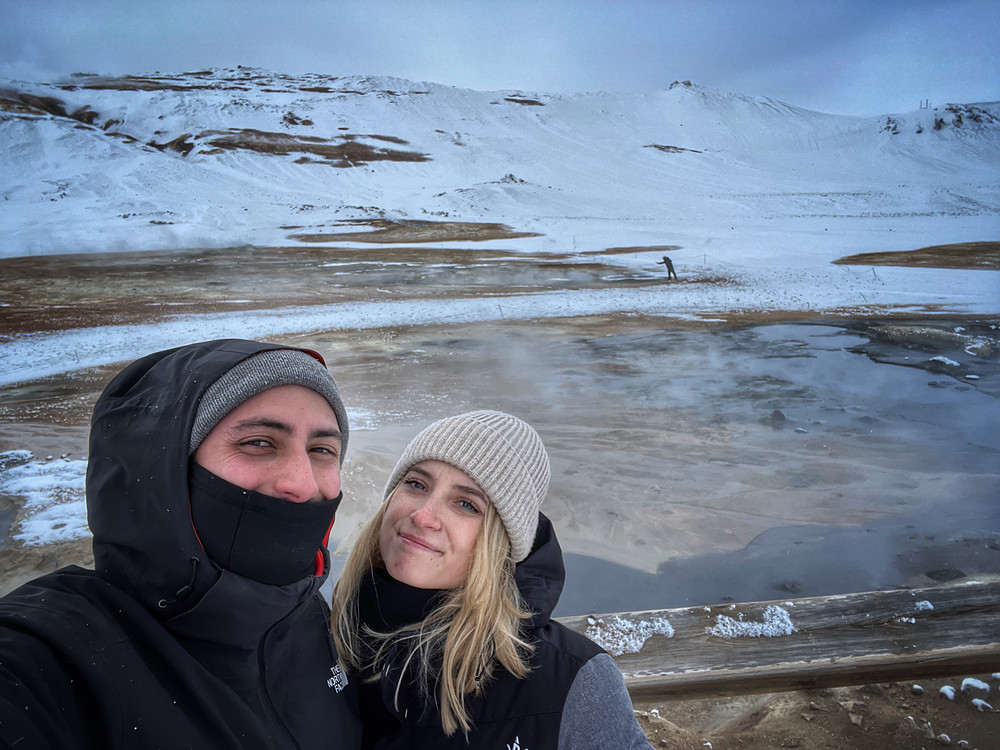
- ♨️ Hot springs in the snow: Sky Lagoon, Blue Lagoon, Mývatn… pure bliss 😍.
- 💶 The lowest prices of the year, outside the holidays.
- 👥 Almost empty sights, once you’re past the south coast.
WHAT TO EXPECT
- ☀️ Very short days: 4 to 5 hours of daylight in December, 10 hours in early March.
- 🌬️ Changeable weather, with wind, snow and roads that can close.
- 🚗 Driving on snow and ice: a 4×4 with studded tires is strongly recommended. All our tips are in our article driving in Iceland in winter.
- 🚫 The F roads and the Highlands are closed.
👉 For winter, rent your car from Blue Car Rental, like we did: 4×4, studded tires, debit cards accepted and no deposit. And book your ice cave on GetYourGuide in advance, spots go fast.
VISITING ICELAND IN SPRING (APRIL AND MAY) 🌱
Spring is a transition season. In April, there’s often still snow, the last northern lights appear early in the month, and the days get longer very quickly. In May, nature wakes up: there’s nearly 18 hours of daylight, and no more northern lights.
- 🐦 The return of the puffins, around mid-April, on the cliffs (Westman Islands, Ingólfshöfði…).
- 🐋 The start of the whale watching season, especially in Húsavík.
- 💶 Prices still reasonable, before high season.
- ⚠️ The F roads stay closed, and some hiking trails are muddy.
VISITING ICELAND IN SUMMER (JUNE TO AUGUST) ☀️
Summer is most travelers’ favorite season, and it’s easy to see why: it’s mild (around 10 to 12°C, or 50 to 54°F, on average in Reykjavik), the days never end, and the whole country is accessible. We haven’t experienced it yet, but we’d love to go back one day in summer: it’s a whole other country, and another way to discover Iceland 😉.
- 🌞 The midnight sun: from mid-May to mid-August, it never really gets dark.
- 🏔️ The Highlands and the F roads, usually open from late June to early September (Landmannalaugar, Kerlingarfjöll…).
- 🥾 The best season for hiking.
- 🐦 Puffins until mid-August and whales in peak season.
- 💸 But also the highest prices (cars 2 to 3 times more expensive than in winter, accommodation 1.5 to 2 times more) and many more people.
- 🚫 No northern lights, and no natural ice caves.
💡 In summer, book your car and accommodation several months in advance: it’s the best way to keep your budget reasonable. And if you want to save money, a van becomes really worthwhile in this season. We ran the numbers in our article Iceland trip budget.
VISITING ICELAND IN FALL (SEPTEMBER AND OCTOBER) 🍂
Fall is often cited as the best compromise, and on paper, it’s true: prices drop, tourists leave, the roads still have little snow… and the northern lights come back as soon as the nights turn dark again.
- 🍁 Fall colors on the tundra.
- 🌌 The first northern lights, from late August and especially from September.
- 🐋 The last whale watching trips in September.
- ⚠️ The F roads close in September, and the first fall storms arrive.
WHAT’S THE BEST TIME TO VISIT ICELAND, DEPENDING ON WHAT YOU WANT? 🎯
There’s no single “best time”: it all depends on what you want to experience. Here’s our summary 👇.
- 🌌 For the northern lights: September to March. Our favorite: March, so you also get real days.
- 🧊 For ice caves: November to March.
- 💶 On a small budget: November to March, except over the year-end holidays.
- 👥 To avoid the crowds: November to April, or October.
- 🥾 For hiking and the Highlands: late June to early September.
- 🐦 For puffins: May to mid-August.
- 🐋 For whales: April to September, especially June, July and August.
- 🌞 For the midnight sun: mid-May to mid-August, peaking in late June.
- 🚗 For a snow-free road trip: June to September.
RENTING A CAR IN ICELAND 🚗
To explore Iceland, we think a rental car is the best option: you’re free to string together waterfalls, glaciers, black sand beaches and hot springs at your own pace, and stop whenever a landscape catches your eye, without depending on organized tours 🏔️.
We drove all the way around Iceland on Route 1 in a 4×4, in the middle of March, and everything went really well. Here’s the agency we used and recommend, plus an alternative if you’d rather compare 👇
Our rental tip
Renting a car in Iceland
The agency we used, and an alternative to compare.
Blue Car Rental
Iceland's largest local rental company
We rented our Dacia Duster 4x4 with them for the whole loop around the island: we recommend them without hesitation!
Our budget€62013 days, full insurance · ~€48/day
- Tested on all of Route 1
- Insurance included, no deposit
- Free cancellation
DiscoverCars
Rental comparison site
To compare several Icelandic rental companies in a single search.
Excellent rating290,000+ Trustpilot reviews
- 1,000+ rental companies compared
- Free cancellation
- 24/7 support
To compare before you choose
Good to know before you rent
- Gravel, sand and ashThe wind blasts gravel and sand onto the bodywork: make sure these protections are included.
- Check the roads every morningLook at road.is and safetravel.is before setting off: in winter, a road can close within a few hours.
- Your French driving license is enoughIt's accepted in Iceland. The international driving permit is optional: only if you want one.
- Photos and video at pick-upFilm the car from every angle when you collect it, to avoid any dispute when you return it.
- Fill up whenever you canGas stations are rare in the East and North, and often self-service: bring a card with a PIN code.
- Hold on to the doorsIn strong winds, a door can be ripped off as it opens: park facing the wind and open gently.
PRACTICAL INFO BY SEASON 🧳
BOOKING YOUR CAR BY SEASON
In winter, get an SUV or a 4×4 with studded tires. In summer, a regular car is fine on the Ring Road, but you need a 4×4 for the F roads. Either way, book early, especially for summer. We rented from Blue Car Rental and we recommend them. All our tips are in our article renting a car in Iceland.
👉 Book your car with Blue Car Rental as soon as your dates are set: prices go up as your departure gets closer.
BOOKING YOUR ACCOMMODATION
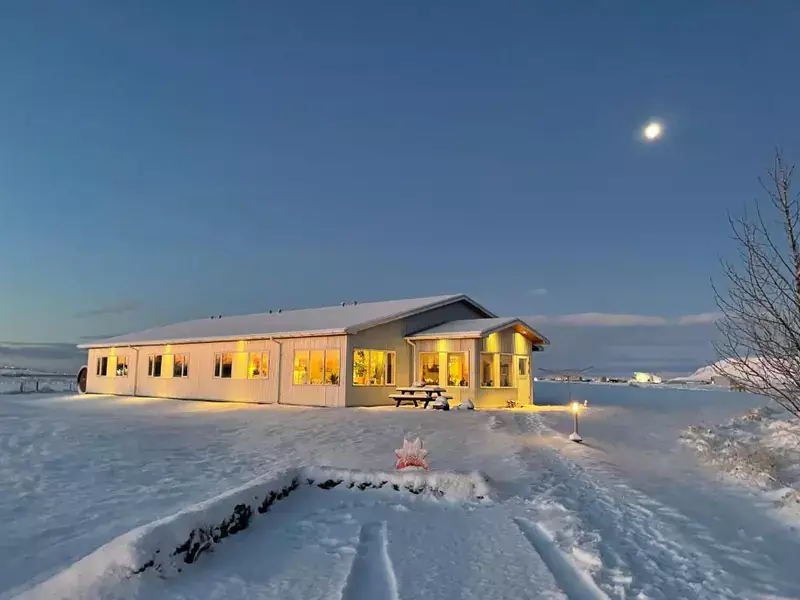
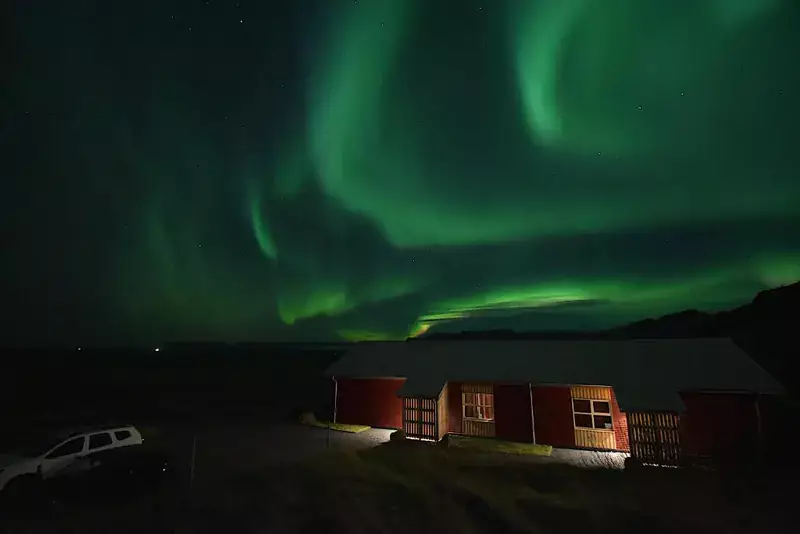
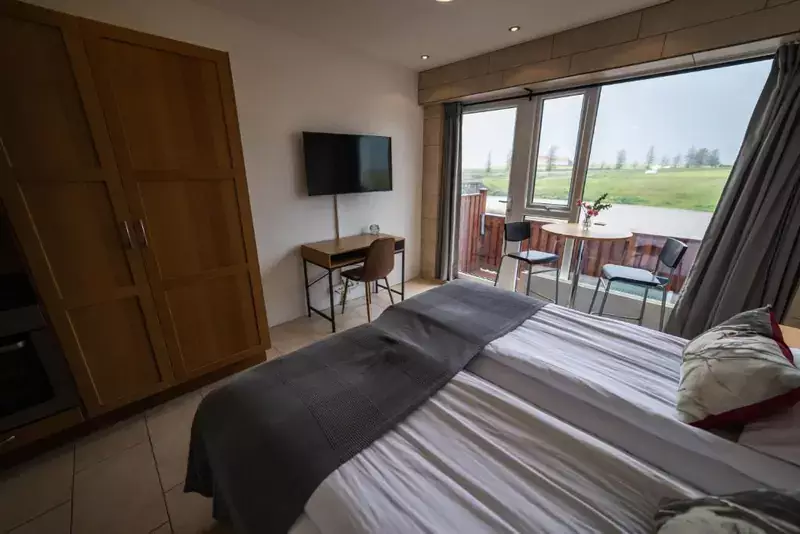
All year round, there aren’t many places to stay along the Ring Road: book ahead, and even more so in summer. Our favorite, The Potato Storage, in Svínafell, is perfect in winter for the northern lights. Our picks are in our article where to stay in Iceland.
WHAT TO PACK?
In winter: ski gear, a hat, gloves, waterproof hiking boots and a swimsuit for the hot baths. In summer: layers and a waterproof windbreaker. Our checklist is in the packing section at the bottom of the article.
STAYING CONNECTED
Whatever the season, check the weather and road conditions every day (see our must-have apps for Iceland). A European phone plan works there; if you want more data, an eSIM like Holafly is a simple solution.
OUR TAKE: WHEN TO GO TO ICELAND? 💭
For us, the answer is clear: if you dream of northern lights, ice caves and snowy landscapes, go in winter, and ideally in March. We got the best of both worlds: the magic of winter, real days for sightseeing, low prices and few people. You just have to accept the weather risk, and keep some flexibility in your itinerary.
If you prefer hiking, the Highlands and milder weather, summer is waiting for you… and for us too, one day, why not 😉. Either way, Iceland is stunning all year round.
👉 What about you? Would you rather go to Iceland in winter or in summer?
FAQ: YOUR QUESTIONS ABOUT WHEN TO GO TO ICELAND ❓
Here are the questions people ask most often to figure out when to go to Iceland. Feel free to ask yours in the comments, and I’ll add to this FAQ 💬.
It all depends on what you want: November to March for the northern lights and ice caves, June to August for hiking and the Highlands. For us, March is an excellent compromise.
The low-season months, November to March outside the holidays, are the cheapest, especially for the car and accommodation. July and August are the most expensive.
Around 0 to 3°C (32 to 37°F) on average in Reykjavik, colder in the North. Without wind, we weren’t cold; with the wind, it bites. There’s about 10 hours of daylight in early March.
Less than you’d think: around 0°C (32°F) on average in Reykjavik, thanks to the Gulf Stream. It’s mostly the wind that makes it feel colder.
From late August to mid-April, on dark nights with clear skies. We saw them four nights out of twelve in March.
In the cold season, roughly November to March, with a guide. It was the highlight of our trip in March.
From about May to mid-August, with their return to the cliffs around mid-April.
From April to September, with the best chances in June, July and August, especially in Húsavík.
Yes, the Ring Road stays open and is cleared of snow, but it can close temporarily during storms. We did it in 12 days in March, with a 4×4 and studded tires.
Usually from late June to early September, depending on the snow. They’re closed the rest of the year and require a 4×4.
From mid-May to mid-August, the sun barely sets and it never really gets dark, peaking in late June. No northern lights are possible during this period.
Winter for the northern lights, ice caves, low prices and peace and quiet; summer for mild weather, hiking and access to the whole country. We chose winter and have no regrets.
WHERE TO STAY IN ICELAND 🏨
During our 12-day road trip in Iceland 🇮🇸, we slept in 9 different places, alternating between hotels and guesthouses, almost all booked on Booking. Changing accommodation every night is the best way to loop around the island without piling up hours of driving 🚗.
OUR TIPS FOR CHOOSING THE RIGHT PLACE TO STAY
- 📅 Book ahead: outside Reykjavik, accommodation is scarce and the best places go fast.
- 🍳 Breakfast included: very handy, because cafés and restaurants are rare on the road. We often used it to make our lunch sandwiches.
- 🛒 A kitchen in remote areas: around Jökulsárlón, the nearest supermarket can be more than an hour’s drive away. Do your shopping before you arrive.
- ♨️ A hot tub: after a day in the cold and wind, it’s pure bliss. Several of our places had one.
- 🌌 Away from the lights: in winter, a place in the countryside gives you a better chance of seeing the northern lights right from your door.
- ✅ Free cancellation, to stay flexible if the weather forces you to change your itinerary.
HOTEL OR GUESTHOUSE IN ICELAND?
Both have their advantages. A guesthouse is often cozier, sometimes with a kitchen to cook your own meals. A hotel is more convenient for a one-night stop, with a reception desk, a restaurant and often breakfast included. As for us, we liked both. It all depends on what you want, your budget and how you like to travel.
HOW MUCH DOES ACCOMMODATION COST IN ICELAND?
Iceland isn’t a cheap destination, and accommodation is one of the biggest items in the budget. We paid between €78 and €162 a night for two. To be completely transparent with you: €1,366 for 11 nights, or about €124 a night on average (that was in 2023, prices may have changed since).
👇 Here are the 8 places where we slept during our road trip that still welcome travelers, in the order of our itinerary.
Tested during our road trip
Our 8 places to stay in Iceland
GuesthouseHotel
-
Hotel
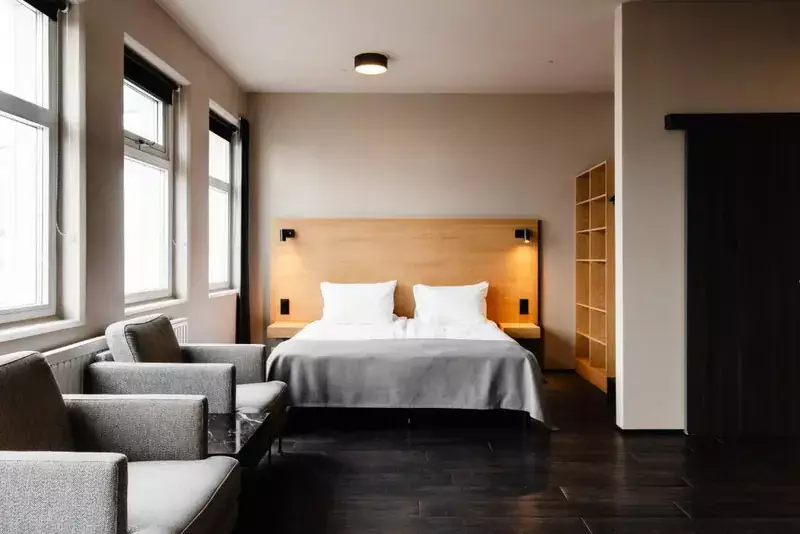
Reykjavik201 Hótel (Kópavogur)
Right next to the capital, handy for the first and last night of the road trip.
- Double room
- Breakfast included
- Close to Reykjavik
-
Guesthouse
SelfossLambastaðir Guesthouse
A quiet guesthouse, perfect for sleeping after a day on the Golden Circle.
- Hot tub and sauna
- Breakfast included
- After the Golden Circle
-
GuesthouseOur favorite
SvínafellThe Potato Storage
Our absolute favorite of the trip: an exceptional place at the foot of the glaciers.
- Our best place to stay
- Fully equipped kitchen
- Close to Jökulsárlón
-
Hotel
EgilsstaðirHótel Eyvindará
A quiet hotel on the edge of Egilsstaðir, with a hot tub to unwind.
- Hot tub
- Breakfast included
- Near Seyðisfjörður
-
Hotel
MývatnVogafjós Farm Resort
A farm on the shores of Lake Mývatn, chosen for watching the northern lights.
- Ideal for the northern lights
- On-site restaurant
- Breakfast included
-
Hotel
AkureyriCentrum Hótel
Right in the town center, a stone's throw from Akureyri church: you can do everything on foot.
- Town center
- Breakfast included
- Superior room
-
Hotel
BifröstHraunsnef Country Hotel
A country hotel in the middle of nowhere, with a hot tub and a restaurant.
- Hot tub
- On-site restaurant
- Breakfast included
-
Guesthouse
HvalfjörðurHótel Laxárbakki
A stop on the edge of the fjord, ideal after a day on Snæfellsnes.
- Hot tub
- On-site restaurant
- Heading back to Reykjavik
MY MUST-HAVE TRAVEL GEAR 🧳
It’s a question that comes up a lot when preparing a trip “What should I bring?” And in Iceland even more than elsewhere, because the cold, wind and rain can quickly ruin a day if you’re poorly equipped 🥶. That’s why you’ll find below the travel accessories we had in our bags. Planning ahead and getting these items in advance helps you save money and avoid paying for some of them on the spot, where everything costs much more 💸 These are the accessories we took to Iceland in the middle of winter 👇.
Our road trip checklist
What to pack for Iceland?
What we had in our bags for 12 winter days. Good news: the outlets are the same as in France, no adapter needed.
0 / 12 in my suitcase · check what you already have
- Essential
Cold & snowHeat Holders thermal socks
The ones we took: to keep your feet warm on walks in the snow.
- Essential
Cold & snowThermal underwear
Thermal leggings and T-shirt under your clothes: the basics for facing the Icelandic wind.
- Essential
Cold & snowWarm gloves
A pair of ski gloves against the wind, and a thin pair for taking photos.
- Essential
Cold & snowBeanie and neck warmer
The wind is often strong, especially near the waterfalls and on the black sand beaches.
- Essential
Cold & snowWaterproof hiking boots
Icy trails, snow and waterfall spray: dry feet all day long.
- Essential
ElectronicsPower bank
The cold drains batteries fast: your phone lasts until evening.
- Recommended
Baths & waterWaterproof phone pouch
To take photos in the hot baths with no risk to your phone.
- Recommended
Baths & waterMicrofiber towel
Light and quick-drying: handy for baths and hot springs.
- Recommended
Baths & waterWater bottle
Tap water is excellent in Iceland: no need to buy bottles.
- Bonus
Travel & securityEmergency blanket
Keep it in the car, in case a closed road forces you to wait.
- Bonus
Travel & securityTSA lock
To lock your suitcase on the plane, with no risk of it being broken at security.
- Bonus
Travel & securityAirTag
To track your suitcase if your luggage is delayed or lost.
Scroll through the list
THANKS FOR YOUR FEEDBACK 
Thanks for reading this article all the way to the end 🙏! We hope it helps you plan your trip.
A question, a doubt about your itinerary, or simply want to tell us what you thought? Write to us in the comments. Your messages also help other travelers plan their trip, and they always make us very happy 💚.
And if our articles are useful to you, a quick review on Google or Trustpilot helps us enormously to spread the word about the blog ⭐. Thanks for following us!